
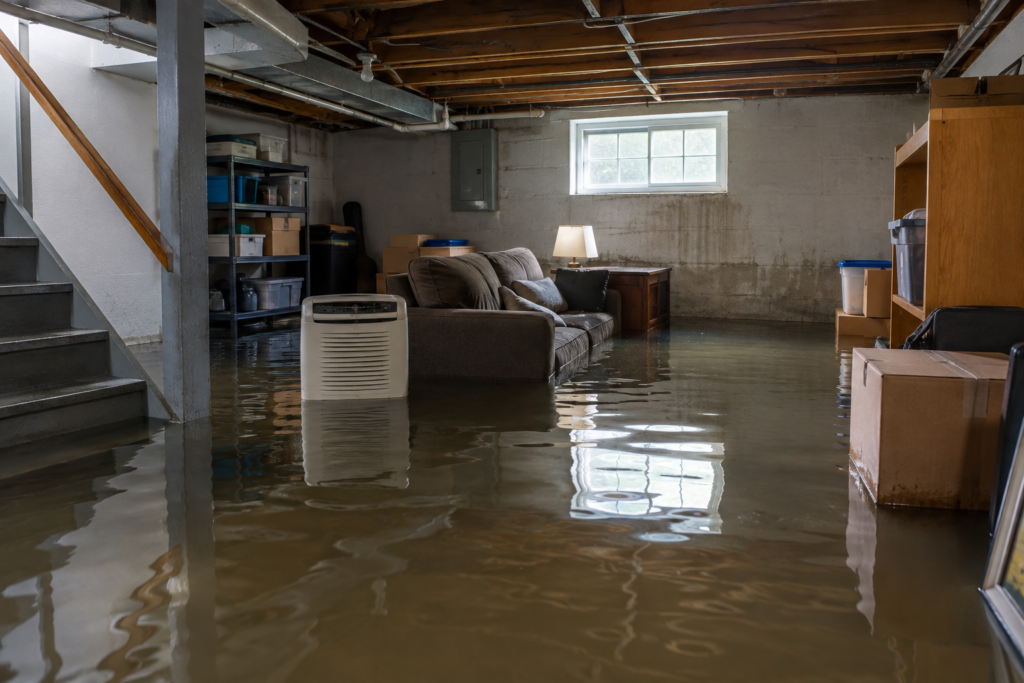
Few things are more unsettling than heading downstairs after a storm and finding your basement floor covered in water. Whether it’s an inch of standing water or six, basement flooding is one of the most common — and most damaging — problems Rockford homeowners deal with, especially during the spring thaw and heavy summer storms. The good news: how you respond in the first few hours makes a bigger difference than almost anything else. Here’s exactly what to do, why it happened, and how to stop it from happening again.
Why Rockford Basements Flood
Rockford’s climate is uniquely hard on basements. Winters bring deep frost lines and rapid freeze-thaw cycles that crack foundations, while spring and summer bring sudden, heavy downpours that overwhelm drainage systems built decades ago. A few of the most common causes we see across Winnebago County include:
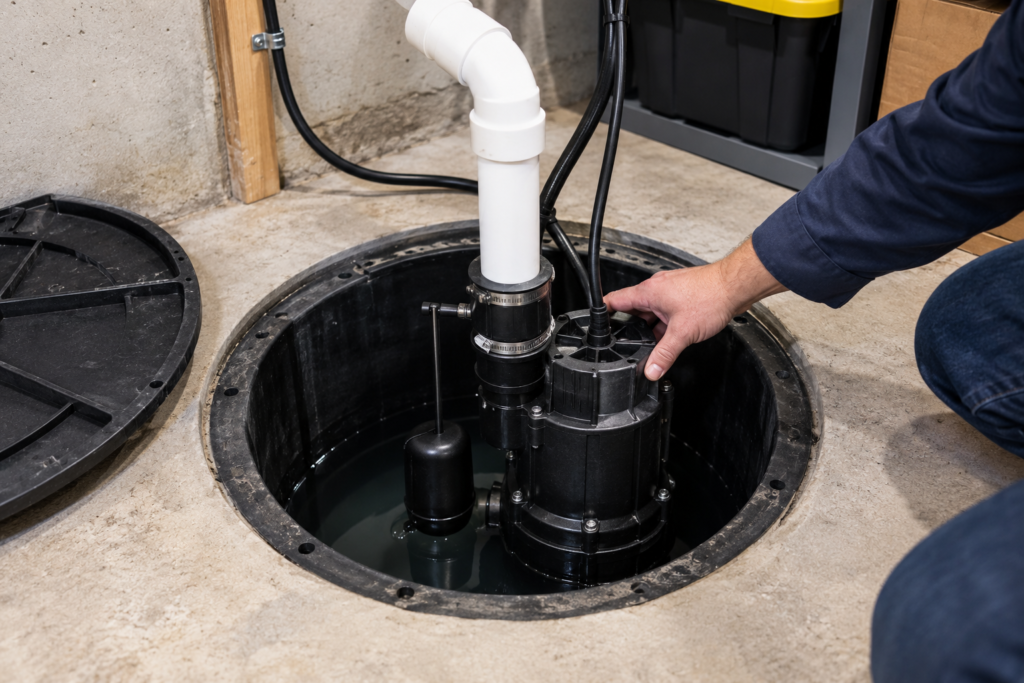
- Sump pump failure. Power outages during storms are the number one reason sump pumps fail exactly when homeowners need them most.
- Heavy rain and poor grading. If the ground around your foundation slopes toward the house instead of away from it, every storm sends water straight to your basement walls.
- Foundation cracks. Older homes in neighborhoods like Hawthorn Hills and Highland Area often have hairline foundation cracks that widen over time, letting groundwater seep in during wet seasons.
- Sewer or drain backups. Municipal storm systems can back up during major rain events, pushing water — sometimes contaminated — back into your lowest level.
- Window well and egress leaks. Basement window wells that aren’t properly sealed or drained fill up and overflow into the house.
Understanding the cause matters because it changes both your immediate response and your long-term fix.
What to Do the Moment You Find Water
If you discover a flooded basement, don’t panic — but don’t wait, either. Water damage compounds by the hour. Follow these steps in order:
1. Prioritize Safety First
Never walk into a flooded basement without checking for electrical hazards. If outlets, extension cords, or appliances are sitting in or near the water, do not enter. Shut off power to the basement at your breaker panel if you can do so safely from a dry area. If you’re unsure, wait for a professional.
2. Identify and Stop the Water Source
If the flooding is from a burst pipe or supply line, shut off your home’s main water valve immediately. If it’s from external groundwater or storm runoff, there’s no valve to close — your priority shifts to extraction and drying.
3. Start Removing Standing Water
For an inch or less, a wet/dry shop vacuum can handle it. For anything deeper, a sump pump or submersible pump is faster and safer than trying to bail it out manually. This is also the point where most homeowners call in professional help — commercial-grade extraction equipment removes water far faster than anything available at a hardware store, which directly limits how much drywall, insulation, and flooring you lose.
4. Document Everything for Insurance
Before you move or discard anything, take photos and video of the standing water, damaged belongings, and any visible source (like a cracked wall or a failed sump pump). This documentation is critical if you plan to file a homeowners insurance claim — adjusters move faster and pay out more accurately when they have clear, timestamped evidence.
5. Remove Wet Materials Fast
Carpet, cardboard boxes, and drywall that stay wet for more than 24–48 hours become a mold risk. Pull out anything porous that’s been sitting in water and get it outside or into a dry space to assess separately.
6. Dry the Space Thoroughly
Once standing water is gone, the real work begins. Fans alone won’t cut it for a fully flooded basement — you need industrial air movers and dehumidifiers running continuously for several days to pull moisture out of concrete, framing, and subfloor. Skipping this step is the single biggest reason mold shows up two or three weeks after a flood, long after homeowners think the problem is solved.
When to Call a Professional
DIY works fine for minor, isolated water — a small window well leak or an inch of rainwater, for example. But you should call a professional restoration team right away if:
- The water is more than an inch or two deep
- The source is a sewer backup or any water that may be contaminated
- Water has been sitting for more than 24 hours
- You see or smell mold starting to develop
- The flooding affected finished basement space (carpet, drywall, furniture)
- You’re filing an insurance claim and need professional documentation
Our team offers flooded basement cleanup with rapid extraction, structural drying, and full water damage inspection to make sure no hidden moisture is left behind in wall cavities or subfloors — the kind of moisture that doesn’t show up until mold does.
Preventing the Next Flood
Once your basement is dry, the smartest move is making sure you never have to go through this again. A few upgrades make an outsized difference:
- Install or upgrade your sump pump. A battery backup sump pump keeps working even during a power outage — exactly when you need it most. See our emergency sump pump installation and repair service.
- Fix your grading. Make sure soil around your foundation slopes away from the house, and extend downspouts at least 6 feet from the foundation wall.
- Seal foundation cracks. Even hairline cracks let groundwater seep in over time. Professional sealing stops the leak at the source.
- Consider foundation waterproofing. For homes with a history of recurring water intrusion, foundation waterproofing creates a long-term barrier against groundwater.
- Encapsulate your crawlspace. If your home has a connected crawlspace, moisture there often finds its way into the basement too. Crawlspace encapsulation seals out groundwater and humidity at the source.
Don’t Let a Flooded Basement Turn Into a Mold Problem
The single biggest mistake homeowners make after basement flooding isn’t the flood itself — it’s underestimating how much hidden moisture is left behind after the visible water is gone. Concrete, framing, and insulation can hold moisture for weeks, quietly feeding mold growth long after the basement “looks” dry.
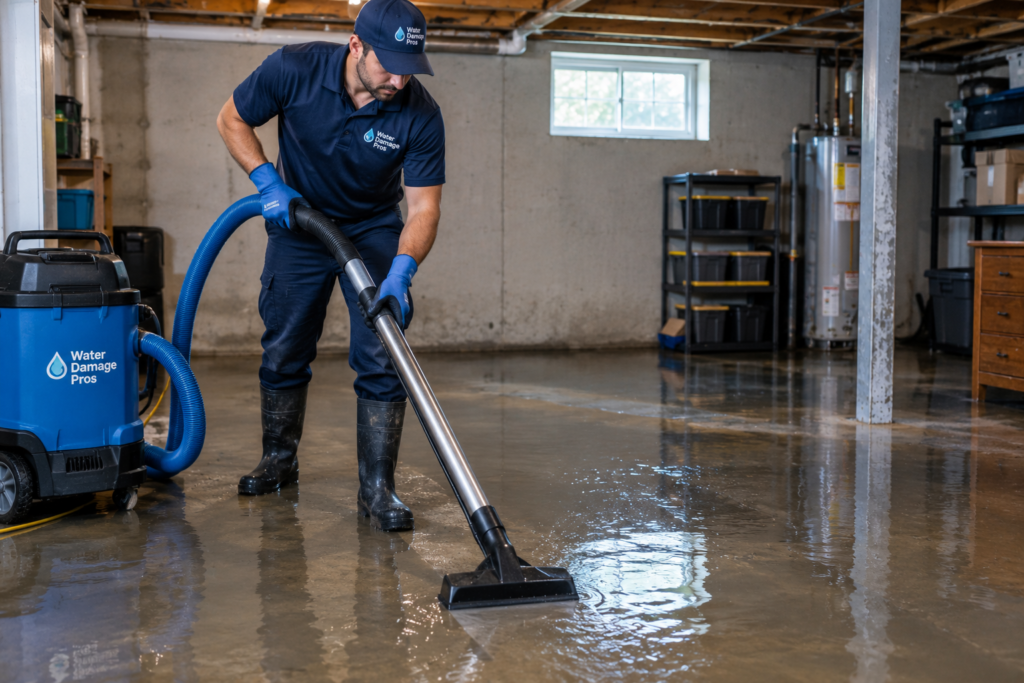
If you’re dealing with basement flooding anywhere in Rockford, Loves Park, Machesney Park, or the surrounding areas including Rolling Meadows and Grant Park, our team responds within 60 minutes, 24/7. We handle everything from emergency water extraction to full structural drying and mold prevention, so you’re not left guessing whether your basement is actually safe.
Call (815) 324-8004 now for a free inspection, or contact us online to schedule an assessment.
Leave a Reply