
Introduction
If you’ve recently dealt with a flooded basement, a burst pipe, or storm damage, there’s one silent threat that often follows – mold. Within 24 to 48 hours of water exposure, mold can begin growing on walls, floors, and ceilings, putting your family’s health and your property’s structure at serious risk.
Mold remediation is the professional process of identifying, containing, removing, and preventing mold growth inside your home or business. It’s not just about wiping away visible mold – it’s about treating the root cause and making sure the problem doesn’t come back.
What Is Mold Remediation?
Mold remediation refers to the complete process of safely removing mold contamination from an indoor environment and restoring the space to a healthy condition. It differs from simple mold removal because remediation addresses the underlying moisture source that caused the mold in the first place.
Here’s what a professional mold remediation process typically includes:
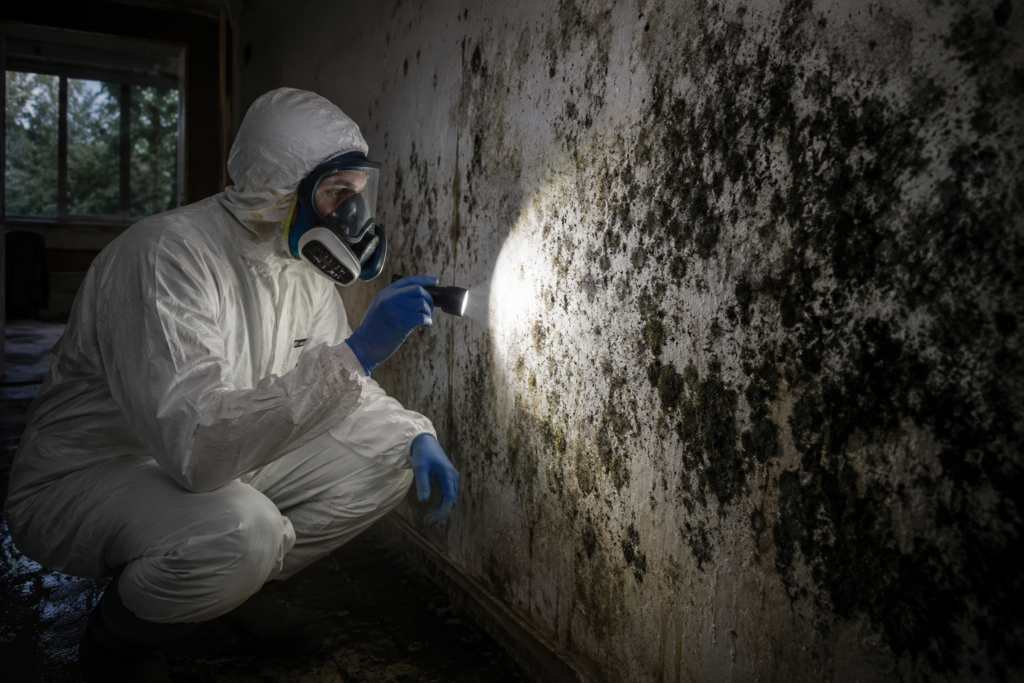
- Inspection and Assessment – A certified technician conducts a full mold inspection and testing to locate all mold-affected areas, including hidden spaces behind walls or under flooring.
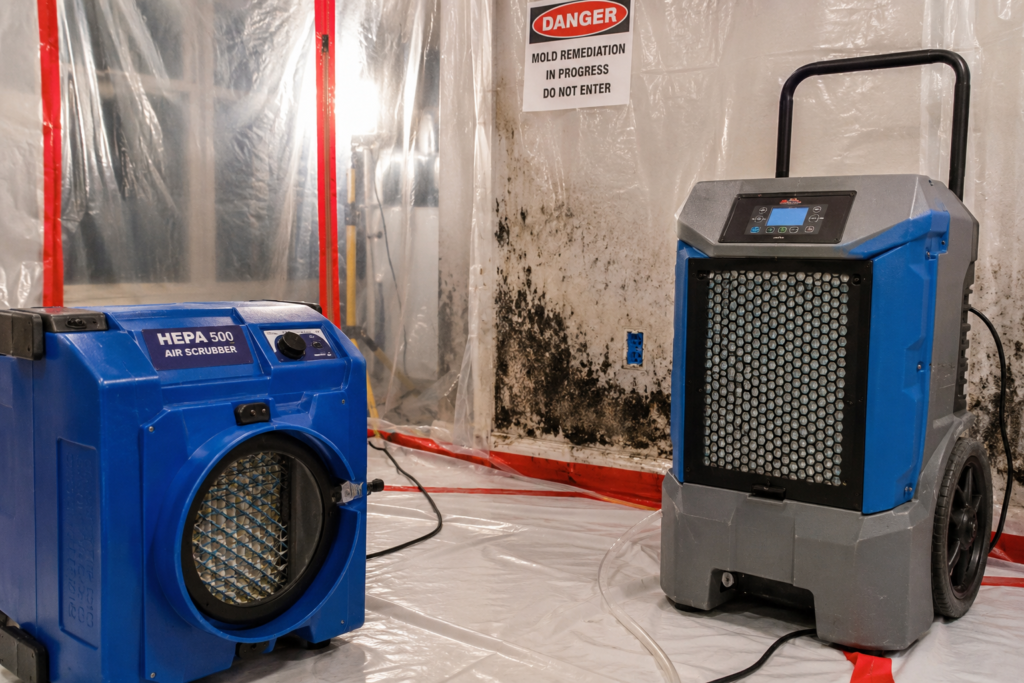
- Containment – Technicians seal off the contaminated zone using heavy-duty plastic sheeting and negative air pressure systems to stop spores from spreading to clean areas.
- Air Filtration – HEPA filtration units capture airborne mold spores and improve indoor air quality during the removal process.
- Mold Removal and Cleaning – Affected materials are treated or removed using EPA-approved antimicrobial solutions through our professional mold remediation services.
- Drying and Dehumidification – Industrial-grade structural drying and dehumidification eliminates all remaining moisture from walls, floors, and air. Without this step, mold will return.
- Restoration and Repairs – Once the area is clean and dry, damaged drywall, flooring, and surfaces are fully repaired and restored to pre-damage condition.
What Causes Mold to Grow in Your Home?
Mold thrives in environments with moisture, warmth, and organic material to feed on. Common causes in Rockford, IL homes include burst or leaking pipes, poor ventilation, roof leaks, and high indoor humidity. But the most frequent trigger is untreated water damage.
If your home has recently experienced flood damage or a flooded basement, mold can begin forming within just 24 to 48 hours. Acting quickly with professional water extraction and drying is your best defense against a full-blown mold problem.
Health Risks of Mold Exposure
Mold is not just an aesthetic issue. Prolonged exposure – especially to black mold – can cause respiratory problems, nasal congestion, skin rashes, aggravated asthma, and in severe cases, neurological complications. Children, the elderly, and people with pre-existing conditions are especially vulnerable.
This is why professional black mold remediation and removal is a health necessity and not just a home repair. If you notice dark patches spreading on your walls or ceilings, do not ignore them – call a certified professional immediately.
Mold Remediation vs. Mold Removal: What’s the Difference?
Many homeowners confuse mold remediation with mold removal, but they are not the same thing. Mold removal simply means cleaning visible mold from a surface and is only suitable for very minor, surface-level growth. Mold remediation is a full-scale process that locates all mold including hidden growth, addresses the moisture source, uses professional containment and filtration, and fully restores the area to safe condition.
For any significant mold growth – especially following water damage – professional remediation is always the right choice. Once the work is done, post-remediation clearance testing confirms your home is truly mold-free and safe before you return to normal life.
When Should You Call a Professional?
You should contact a mold remediation company if you see mold covering an area larger than 10 square feet, notice a persistent musty odor even without visible mold, or if anyone in your household is experiencing unexplained allergy or respiratory symptoms. You should also call immediately if your home has recently suffered burst pipe damage or a sewage backup, as these situations almost always lead to rapid mold growth if not treated properly.
The Connection Between Water Damage and Mold
One of the most important things homeowners need to understand is how closely water damage and mold are linked. Whether your home has experienced a roof leak or moisture buildup in your crawlspace, the longer water sits untreated, the higher your risk of serious mold contamination.
Fast professional response is critical. The sooner water is extracted and the area is dried, the less chance mold has to take hold.
Does Homeowner’s Insurance Cover Mold Remediation?
This depends on your specific policy and the cause of the mold. Mold resulting from a sudden event such as an appliance leak or a burst pipe is often covered by standard homeowner’s insurance. However, mold caused by long-term neglect or gradual moisture buildup is typically not covered.
Always document the damage thoroughly with photos and contact your insurance provider as soon as possible. A professional restoration company can also help you navigate the claims process.
Why Choose a Local Mold Remediation Expert in Rockford, IL?
When dealing with mold, response time matters enormously. A local IICRC-certified team understands the Rockford climate, the common moisture problems in older homes across the area, and can be on-site fast. At Rockford IL Water Damage, our certified technicians are available 24/7 to assess your situation, contain the problem, and restore your home to safe, healthy condition.
Final Thoughts
Mold is a serious problem that should never be ignored. The longer you wait, the more it spreads – damaging your property and putting your family’s health at risk. If you suspect mold in your home, especially following any kind of water damage, call a certified professional without delay.
Contact Rockford IL Water Damage today for a fast, professional assessme.
Leave a Reply